All grain brewing is brewing beer from scratch using only
water
, malt, hops & yeast.
 You have options that start at a very basic level often referred to as stovetop brewing. You have budget options like biab (brew in a bag) or you have several options in all in one brewing systems.
Beer is essentially just water, barley, hops, and yeast. Basically, malted barley is crushed and then soaked or mashed in 145f-158f(63c-70c) water for about an hour to extract the sugars out of the grain. The sugar-rich liquid, or wort, is then drained off to boil for an hour. Hops are added during different parts of the boil to add bitterness, flavor, and aroma. After the boil, the wort is chilled down and transferred over to a fermenter where we add our yeast to begin the magical process of fermentation. Just as many home brewers started, my journey started with a malt extract kit on the kitchen stove.
10 Gallon BrewBuilt Brewing Kettle
If you plan on brewing indoors, like in your basement or back room, you’ll want to invest in a ventilation hood with an extraction fan. Boiling 5 or 10 gallons of wort can get steamy. You need to divert this steam outdoors or else you’ll end up with condensation, mold, or mildew problems in your house down the road. If you can place your induction cooker and kettle under your stove’s vent hood, that works too. For garage, deck, or balcony brewers, you don’t have to worry about steam build-up as long as you have natural airflow in the brewing space.

Let’s get you Homebrewing!
Since 1978, we’ve made it our mission to educate, promote, and advocate for the best hobby in the world—homebrewing! become a supporting member.
The following is the second of two guest posts by rebecca komathy , a former intern with the digital resources division of the law library of congress. She is currently a graduate student in the master of library and information science program at san jose state university. The first blog post on this topic was published on february 2, 2023. In yesterday’s post, we discussed the temperance movement and constitutional amendments related to alcohol. In today’s post, we are continuing with this topic, focusing on illegal alcohol stills and distribution, federal legislation on homebrewing, and state alcohol laws. Moonshiners, rumrunners, and bootleggers.
Beer and food have been synonymous with each other for years. From sitting at a ball game eating hot dogs and drinking beer, or complying recipes for a homebrew and five-course dinner; beer and food just go together. Homebrew academy has articles that provide real beer recipes and experiences of mixing beer with food, cooking with beer, and using spent grains in all kinds of recipes. Whether it be pickling vegetables with a rosemary ipa, using an oktoberfest for a spicy chili, or what food pairs best with your belgian triple , homebrew academy has you covered. Our online homebrewing courses will supercharge your brewing knowledge and save you the time & money of many costly mistakes along the way.
Fermentation might not be the sexiest part of homebrewing but it’s one of the most crucial (next to sanitizing). You could go the less expensive route and ferment in a plastic bucket but we’d recommend the sleeker glass carboy. Buy now: $42.
All-Grain (Brew in a Bag) Homebrewing
Pre-hopped malt extract[ sometimes known as beer in a can, no-boil and hopped wort ; these beer kits contain liquid malt extract that has already been boiled with hops to introduce bitterness and flavor. Pre-hopped kits simplify the brewing process by removing the need to add hops at specific times during the boil. Some kits may not require a boil at all, though this may increase the risk of off flavors in the resulting beer due to contamination from bacteria and wild yeasts. Malt extract[ brewing in a bag[ brewing in a bag (biab) is a technique that involves a single brewing vessel, a fine mesh bag to hold the grist (crushed malt/grain), and a single heat source.
Homebrewing takes brewing beer on a commercial scale to something we can do on our stovetop or porch. On brew day, you make the “wort”–not quite beer–by steeping and boiling combinations of grains, hops, extracts, and other ingredients. This mixture is then fermented by yeast turning that wort into beer.
Book online now for only $65! this class is designed for the homebrewing novice. It is a fantastic experience for anyone looking to develop a deeper understanding of beer, its ingredients, and the process by which it's made in a friendly and savvy environment. We teach in a concentrated 2 to 3 hour workshop format that focuses on practical brewing techniques. Our teaching style is casual while also presenting a wealth of information. It is designed to provide our students the confidence, knowledge, and experience needed to become proficient home brewers and cultivated beer drinkers. You will learn all the basics to get you up and running while brewing a batch of beer.
When prohibition ended in 1933, many homebrewers returned to buying professionally made beer and most homebrewing activities declined. Homebrewing remained illegal at the federal level. Federal regulators were concerned about people using the brewing grain not for beer, but for moonshine, a homemade and highly potent hard liquor. Unlike homebrewed beer, moonshine was often toxic due to impure ingredients and clumsy—if not negligent distilling conditions—when prepared by amateurs, making it proved dangerous. By the 1960s, even with homebrewing’s continued illegality, homebrewing clubs sprang up around the country as hobbyists tried to make beer that was different from the american light lager that was so common at the time.
Making Mead at Home
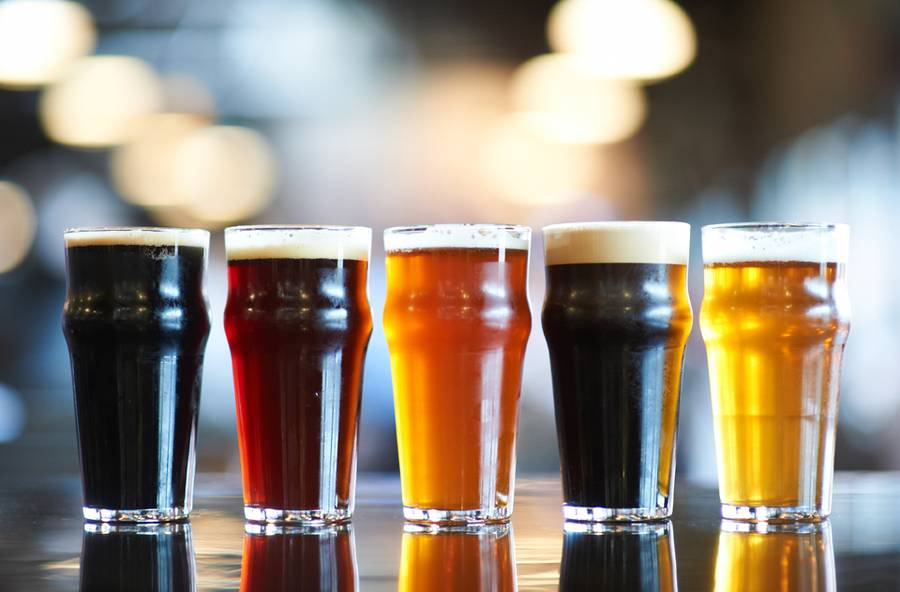
It’s no secret that craft beer has become a major force in the world of beer. In fact, according to the brewer's association , the craft brewing industry grew by 15% in volume in 2012 alone. What you may not know is that the craft beer movement is a product of a generation of home brewers who preceded it. It may surprise you to know that homebrewing doesn't just include beer. Homebrewing also refers to making wine, sake, mead, cider, perry and other beverages in your home. These beverages are made through fermentation on a small scale for personal consumption.
Posted on by aih although campden tablets are more commonly used in winemaking, they have their place in homebrewing as well. In fact, campden tablets can be a useful tool in your arsenal of techniques used to make beer, cider, and mead. So, using campden tablets in homebrewing should not be all that surprising. Camden tablets are made of sodium or potassium metabisulfite, and release sulphur dioxide gas when they come in contact with a liquid. This gas is an effective sanitizer, usually used to stabilize raw fruit juices or to sanitize fermenters and barrels. Though you might be more likely to use campden tablets when making cider than making beer, if you have a bottle of them you might be interested in finding additional ways to use them.

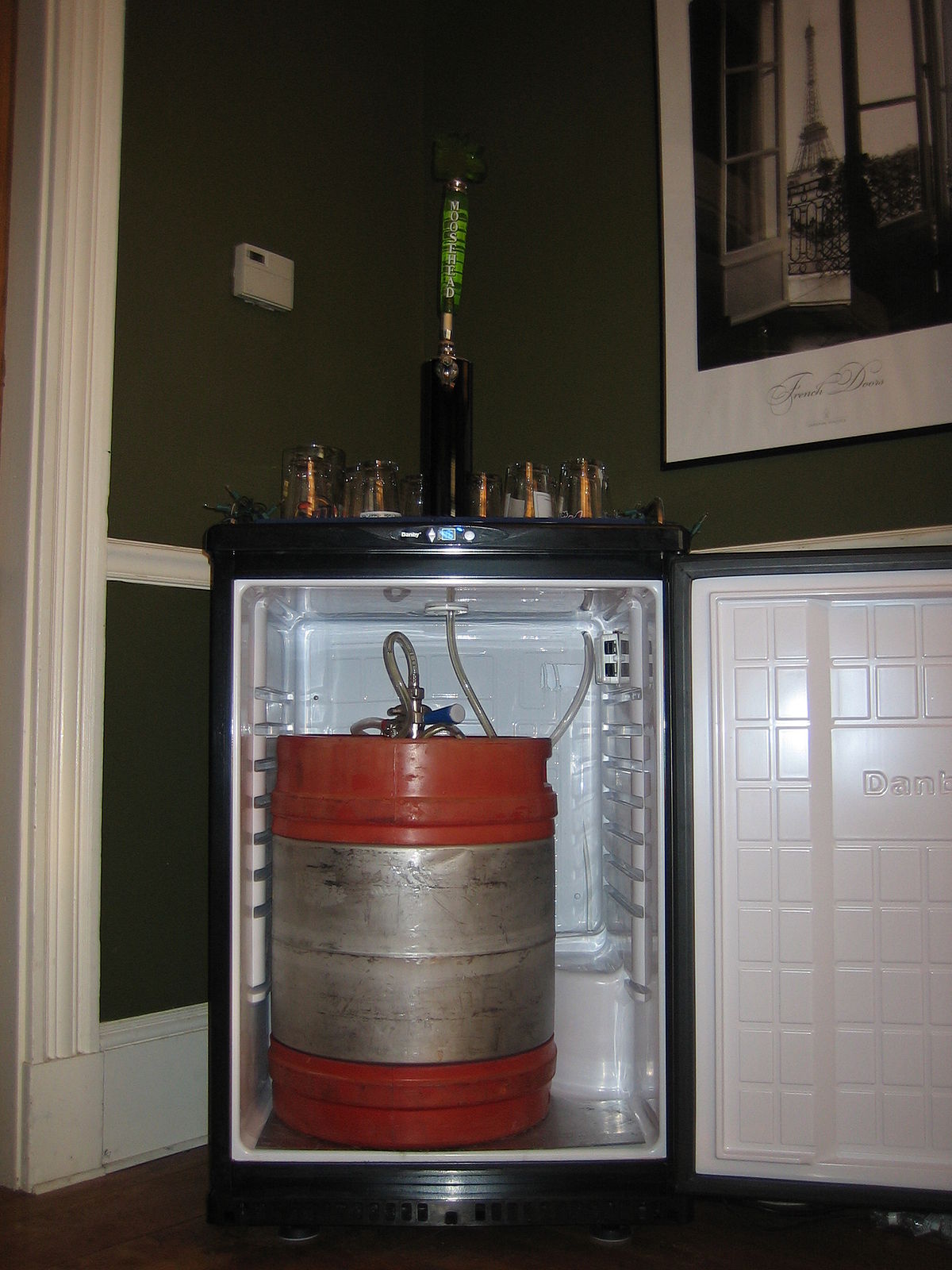 You will need to purchase a d-type coupler or similar if you intend to use larger, commercial kegs. To fit four corny kegs inside the kegerator, at least two of the kegs will need to be the taller, skinnier style, like our new 19l kegs. The used kegs are the shorter, wider style, and four of these will not fit.
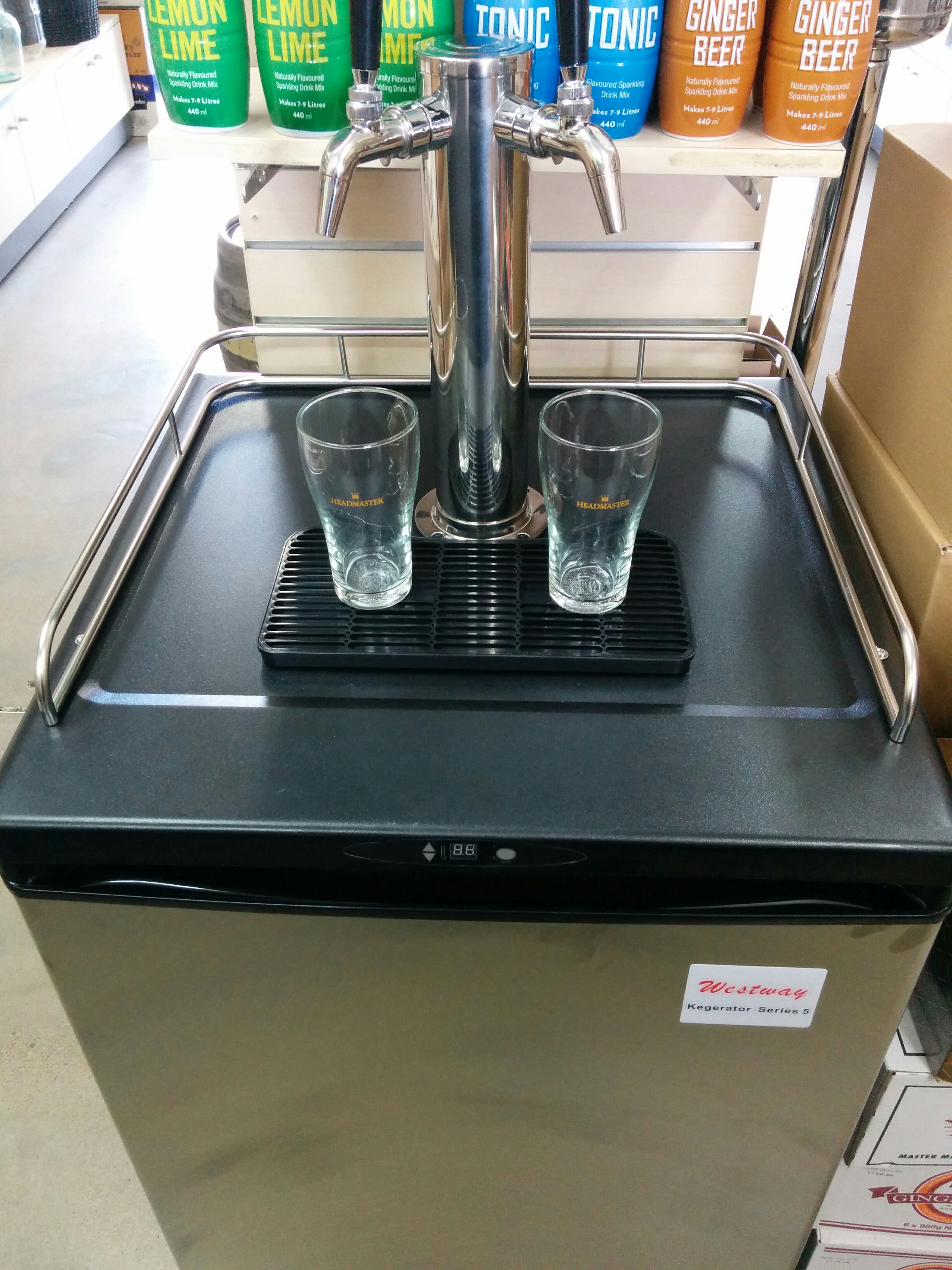 Explore your options.
 1. Scraggy bay
although scraggy bay (the one with the yellow wrap above) isn’t one of the most popular beers in ireland, it’s hands-down one of my favourites. It’s made by a donegal-based brewer called kinnegar and it’s a mighty beer with a real kick to it (both in terms of taste and strength).
1. Scraggy bay
although scraggy bay (the one with the yellow wrap above) isn’t one of the most popular beers in ireland, it’s hands-down one of my favourites. It’s made by a donegal-based brewer called kinnegar and it’s a mighty beer with a real kick to it (both in terms of taste and strength).
 Brewers, defines an american craft brewer as a small, independent brewer. The craft brewer definition allows the organization to provide statistics on the growing craft brewery segment, which currently makes up 98% of all breweries in the u. S.