Including specialty grains in your extract brew day allows for the ease of the all-extract brew day while getting the added flavors, aromas, and color of specialty grains, like crystal or chocolate malt.
 This process is a starting point for many new homebrewers, as well as a
great
option for a quick and easy brew day.
This process is a starting point for many new homebrewers, as well as a
great
option for a quick and easy brew day.
Book online now for only $65! this class is design ed for the homebrewing novice. It is a fantastic experience for anyone looking to develop a deeper understanding of beer, its ingredients, and the process by which it's made in a friendly and savvy environment. We teach in a concentrated 2 to 3 hour workshop format that focuses on practical brewing techniques. Our teaching style is casual while also presenting a wealth of information. It is designed to provide our students the confidence, knowledge, and experience needed to become proficient home brewers and cultivated beer drinkers. You will learn all the basics to get you up and running while brewing a batch of beer.
So You Want to Learn
Double dry-hopping means different things to different brewers. For some, it means adding hops at both the above
times
, during fermentation and then again after fermentation. For others it means doing two dry-hop additions at any time. Then there is a literal interpretation that brewers use to indicate this beer is made with twice as many dry hops as other beers of the same style from the same brewery.
 (for example, the brewery has a hoppy amber ale and a ddh hoppy amber ale. )if you’re like me, you still have the zymurgy magazine article vinnie cilurzo wrote about how to brew pliny the elder, his double ipa that made the style famous.
Tim vandergrift walks you through some of the basics of making wine at home. Winemaking is a natural process, that you can do at home, and produce a good product. The process is completely safe, and with our equipment and wine kits, you can create store quality wine at home. All of our equipment and wine kits come with great instructions and are easy to follow. Watch this video, and you will learn about the basic equipment needed.
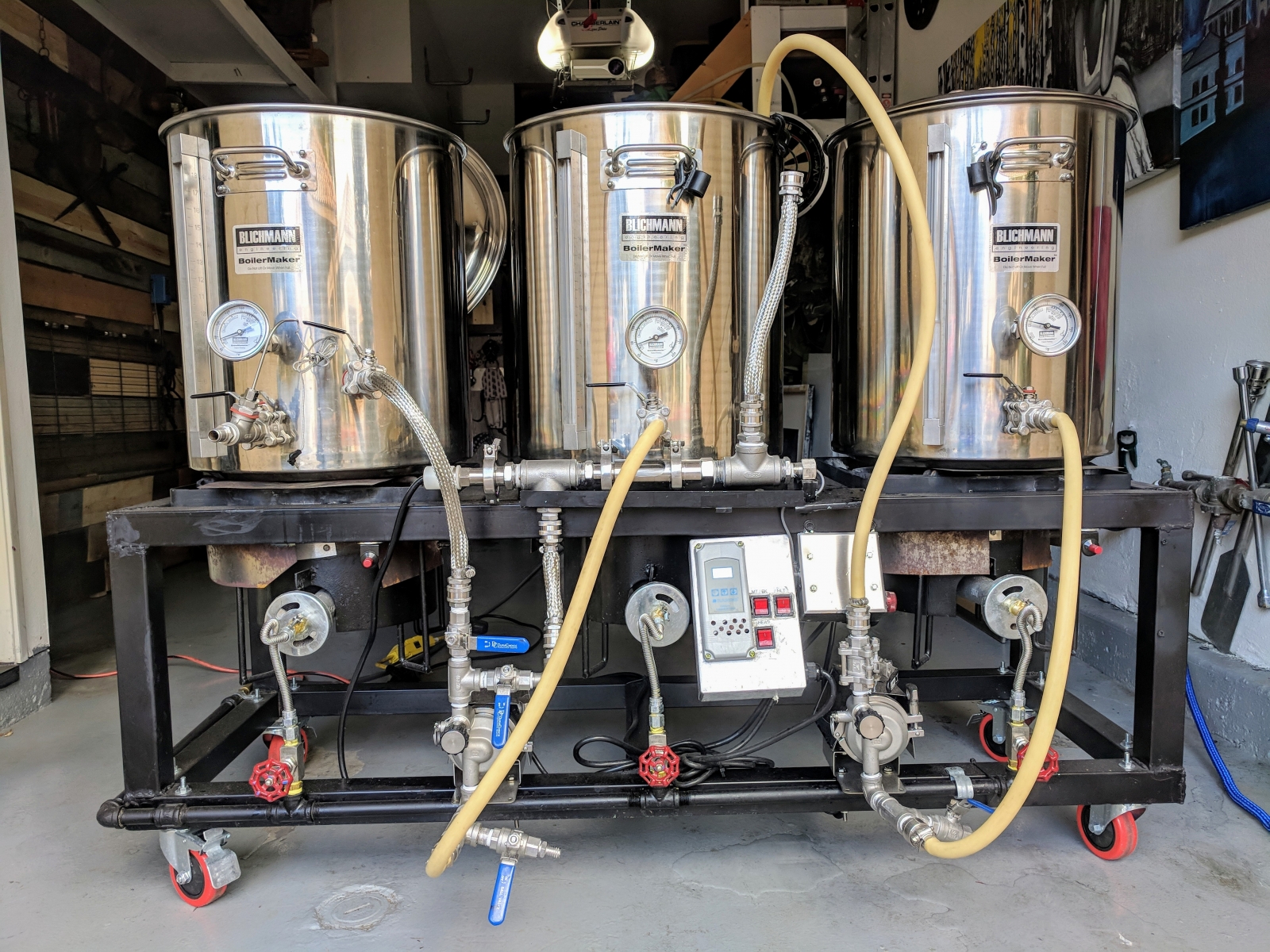
Homebrewing is a rewarding and enjoyable hobby that can be done by anyone. It allows you to express your creativity and make beer that is tailored to your individual tastes. With the right supplies and equipment, you can easily brew beer at home in your own kitchen. The brewing systems are relatively inexpensive and can be found at most homebrewing stores. For more information, head over to the spike learn page for everything you need to know about becoming a homebrewing superstar! you can also check out our brewing 101 video to get started!.
1. You’re done! store your bottles in a cool, dark place. Wait two weeks, then uncap a bottle and pour your beer into a nice, clean mug or glass, leaving the sediment in the bottle. The sediment won’t harm you, but it can change the flavor and appearance of the beer. 2. Taste the fruits of your hobby. Congratulations, you’re a homebrewer! we hope you learn to love this hobby as much as we do!! source:.
9. Bottle on the dishwasher.
Now comes the fun part. You’re gonna need about 50 empty beer bottles to bottle all the beer you just made. Ideally you’ll want these to be the standard amber/brown colored bottles as these block out the most sunlight (which can ruin your beer). Now, you could buy a bunch of empty amber beer bottles , or you could man up and get to work! time to invite the buddies over and call in sick to work. Once you’ve off your 50+ beers, make sure to rinse them out and not let them sit all week or you will have some stinky crap to deal with.
Join the American Homebrewers Association
January 17, 1920: prohibition begins as the 18th amendment to the u. S. Constitution bans the manufacture, sale and transportation of alcohol, including beer made at home. December 5, 1933: the 21st amendment repeals prohibition, however, the amendment’s legislation mistakenly leaves out the legalization of home beer making (home wine making is legalized, however). October 14, 1978, president jimmy carter signs h. R. 1337, creating an exemption from taxation of beer brewed at home for personal or family use. December 7, 1978: the american homebrewers association is formed with the publication of the first issue of zymurgy ® magazine.
With the weather (finally) cooling down, it’s the perfect time to try out homebrewing. And it’s not too difficult or expensive to get started. With about $120, anyone can begin homebrewing on their stove via the extract method. Jeffrey haines, who owns brewers connection in tempe and tucson, likes to tell homebrewing newbies this old saying: “it’s only rocket science if you want it to be. ”there is no expectation to have a certain brewing system or to brew a certain way. “there’s a major intimidation factor out there that homebrewing requires lot of time and equipment,” said gary glass, director of the american homebrewers association.
In 1920, due to prohibition, breweries across the united states were closed down or began making malt for other purposes. The homebrewing of beer with an alcohol content higher than 0. 5% remained illegal until 1978 when congress passed a bill repealing federal restrictions and excise taxes, and president jimmy carter signed the bill, h. R. 1337, into law. Within months of homebrewing's full legalization, charlie papazian founded the brewers association and american homebrewers association. In 1984, papazian published the complete joy of home brewing which remains in print alongside later publications such as graham wheeler's home brewing: the camra guide.
Boulder, co ? july 1, 2013—today, homebrewers can legally brew in every state in the country, as recently passed homebrewing legislation takes effect in mississippi, according to the american homebrewers association (aha). Homebrewing was federally legalized in 1978 for the first time since prohibition made it illegal in 1919. However, regulation of alcohol is predominantly left to the states. In 2013, mississippi and alabama—the last two states remaining with laws against homebrewing—passed legislation to permit beer brewing at home. Alabama’s law went into effect immediately after the governor signed the bill on may 9. “homebrewers are deeply dedicated to their craft and the aha is thrilled that homebrewers in all 50 states can now legally take part in that passion,” said gary glass, director, american homebrewers association.
A Guide to Coffee (and Coffee Beer) for Homebrewers
Some beer styles require a haze such as hefeweizens , wits or hazy ipas. However, people brewing these styles are not who this article is for. There are some style purists that need to have their lagers crispy, their blonde ales see through and their marzens so clear they can read a newspaper through it. I mostly brew hazy ipas, but i can understand and appreciate those homebrewers that want to follow bjcp guidelines and get their beers as clear as possible. The hazy appearance of a finished beer can have many causes, but they all fall roughly into two groups, biological and nonbiological.



No comments:
Post a Comment