Now comes
time
to choose your recipe. It makes sense to start by cloning a beer you like. Many breweries now make some of their recipes and instructions available in brewing magazines and elsewhere. Annie johnson – aha homebrewer of the year, former recipe developer for picobrew and recipe writer for craft beer & brewing magazine – advocates starting with a simple style (a.
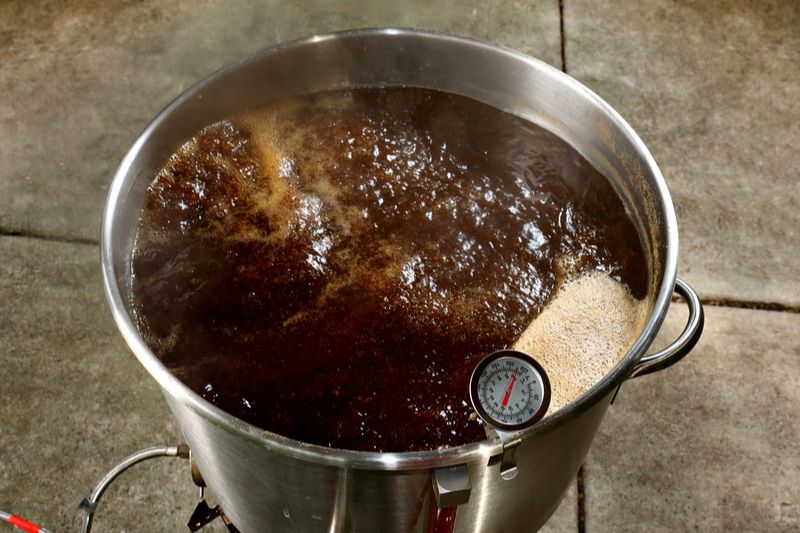 K. A. Not a lager, sour or, ahem, a boozy belgian) and recreating it until you perfect it. “english brown ale, a nut brown, a pale ale, they’re forgiving. If there are boo-boos you can cover it up with hops,” she says.
Join the American Homebrewers Association
January 17, 1920: prohibition begins as the 18th amendment to the u. S. Constitution bans the manufacture, sale and transportation of alcohol, including beer made at home. December 5, 1933: the 21st amendment repeals prohibition, however, the amendment’s legislation mistakenly leaves out the legalization of home beer making (home wine making is legalized, however).
 October 14, 1978, president jimmy carter signs h. R. 1337, creating an exemption from taxation of beer brewed at home for personal or family use. December 7, 1978: the american homebrewers association is formed with the publication of the first issue of zymurgy ® magazine.
With the weather (finally) cooling down, it’s the perfect time to try out homebrewing. And it’s not too difficult or expensive to get started. With about $120, anyone can begin homebrewing on their stove via the extract method. Jeffrey haines, who owns brewers connection in tempe and tucson, likes to tell homebrewing newbies this old saying: “it’s only rocket science if you want it to be. ”there is no expectation to have a certain brewing system or to brew a certain way. “there’s a major intimidation factor out there that homebrewing requires lot of time and equipment,” said gary glass, director of the american homebrewers association.
The american homebrewers association® is dedicated to promoting the hobby of homebrewing. Making beer is fun and easy to do at home, with an estimated 1. 2 million people who currently homebrew in the united states and many more worldwide. There’s no better way to explore beer than homebrewing. Learn from the.
In 1920, due to prohibition, breweries across the united states were closed down or began making malt for other purposes. The homebrewing of beer with an alcohol content higher than 0. 5% remained illegal until 1978 when congress passed a bill repealing federal restrictions and excise taxes, and president jimmy carter signed the bill, h. R. 1337, into law. Within months of homebrewing's full legalization, charlie papazian founded the brewers association and american homebrewers association. In 1984, papazian published the complete joy of home brewing which remains in print alongside later publications such as graham wheeler's home brewing: the camra guide.
Homebrewing for the Beginner
There is lots of different entry levels and a wide range of homebrew starter kits available on the homebrew market. Modern advances in homebrewing equipment and homebrewing ingredient kits mean you can make some seriously impressive brews at home. A few key things will allow you to start homebrewing successfully 1) ensure you approach everything with cleaning and sterilising as a critical control point 2) aim to ferment at a constant and steady temperature for best results. If you need help selecting homebrew starter equipment, we aim to be supportive and beginner-friendly as we want to help you brew successfully.
Small batch brewing is an excellent entry into the world of homebrewing. For craft beer lovers, it’s also an eye-opening experience that lets you see behind the curtain of the brewing process. But brewing small batches isn’t just for beginners. If you’re an experienced brewer, try out a small batch in your kitchen. You might find it’s a relaxing and fun alternative to your typical brew day. Brewing is a labor of love. It takes time, patience, and attention to detail. Keeping your batches small alleviates some pressure, letting you be as creative as you want without a considerable investment in dollars, time, and space.
Our beer recipe kits are an easy and convenient way to get started with homebrewing, used by new and knowledgeable homebrewers. Our recipe kits include everything you need to make a delicious batch of homebrewed beer, including high-quality ingredients and detailed instructions. We offer a wide variety of recipe kits to choose from, in both extract and all grain brewing, so you can find the perfect beer for your taste and brewing level. Whether you're a seasoned homebrewer or a beginner, our recipe kits make it easy to create great-tasting craft beer right in your own home. With our easy-to-use kits and high-quality ingredients, you'll be on your way to enjoying great-tasting beer in no time!.
Let’s get you Homebrewing!
Since 1978, we’ve made it our mission to educate, promote, and advocate for the best hobby in the world—homebrewing! become a supporting member.
Welcome to adventures in homebrewing (aih), your one-stop shop for all things homebrewing. Our ecommerce business was founded in 1999 by a small group of beer and wine enthusiasts with a passion for brewing. Over the years, we have become a trusted source for beer brewing, wine making, and kegging supplies for home brewers. At aih, we have a wide selection of home brew supplies, including beer brewing kits , wine making kits , and brewing equipment. We also carry a variety of beer brewing ingredients , including everything you need to brew your own beer at home. Whether you are just starting out in the world of home brewing or you are an experienced brewer looking to upgrade your equipment, we have something for everyone.
Since 1995, morebeer! has offered the largest selection of brewing supplies to home brewers across the country. What started in a 150 square foot shed in a backyard has now expanded to two warehouses, a manufacturing metal shop, and four homebrew stores, all while remaining under the same passionate ownership. Whether you’re just starting out and brewing one of our extract beer kits , or if you’ve advanced to brewing on an all-grain system , we’re here to help you through every step of the process of making incredible beer at home. With over 125 types of hops , 160 types of grains , and 250 beer recipe kits , we’re proud to offer absolutely everything you’ll need on your brew day.
The following is the second of two guest posts by rebecca komathy , a former intern with the digital resources division of the law library of congress. She is currently a graduate student in the master of library and information science program at san jose state university. The first blog post on this topic was published on february 2, 2023. In yesterday’s post, we discussed the temperance movement and constitutional amendments related to alcohol. In today’s post, we are continuing with this topic, focusing on illegal alcohol stills and distribution, federal legislation on homebrewing, and state alcohol laws. Moonshiners, rumrunners, and bootleggers.
All-Grain (Brew in a Bag) Homebrewing
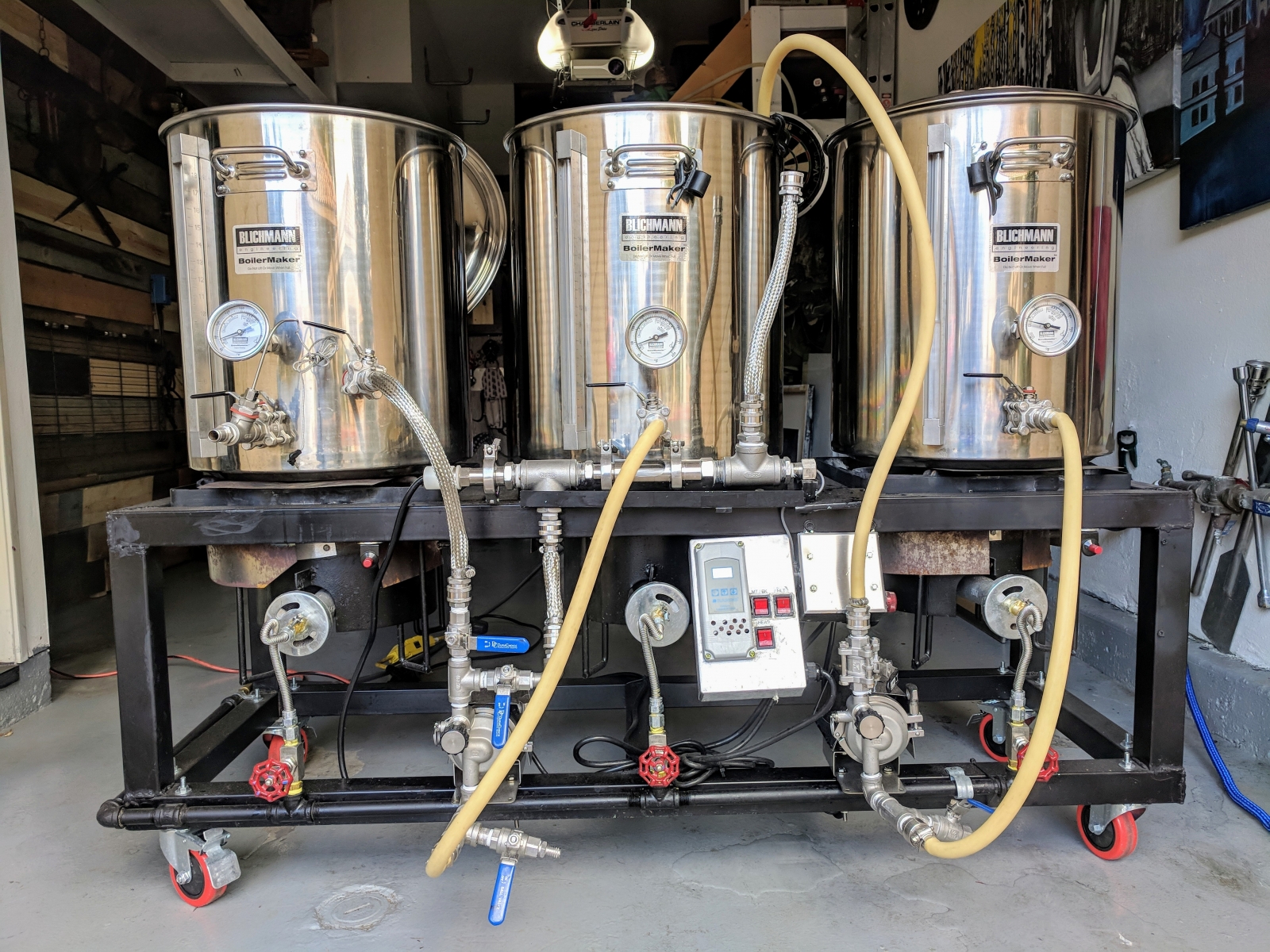
Pre-hopped malt extract[ sometimes known as beer in a can, no-boil and hopped wort ; these beer kits contain liquid malt extract that has already been boiled with hops to introduce bitterness and flavor. Pre-hopped kits simplify the brewing process by removing the need to add hops at specific times during the boil. Some kits may not require a boil at all, though this may increase the risk of off flavors in the resulting beer due to contamination from bacteria and wild yeasts. Malt extract[ brewing in a bag[ brewing in a bag (biab) is a technique that involves a single brewing vessel, a fine mesh bag to hold the grist (crushed malt/grain), and a single heat source.
As you continue to brew more often and more complex beers, you’ll find that you need to add more and more equipment to your homebrewing arsenal. While you can usually purchase your grains pre-milled by your local homebrew supply shop or an online homebrew supply store like morebeer , a grain mill is a solid investment for an advanced homebrewer who wants more control over their grain bills, grain crush, and brewing schedule. Already convinced you should get one? skip down to section 3: the best grain mills for homebrewing for an overview of the best grain mills for homebrewing and a quick comparison of their pricing and features.
Partial mash brewing is a process in between extract homebrewing and all-grain brewing. The process involves a “mini mash” to extract fermentable sugars from grains, while the rest of the sugars are from extract. This process is ideal for the extract brewer looking to get familiar with the all-grain brewing process before going all-in.
Malted grains are the backbone of any homebrewing recipe and are essential for creating the flavor and body of the beer. A wide variety of grains are available to homebrewers, including barley, wheat, oats, rye, and more. The type of grain used will depend on the style of beer being brewed, with some beers requiring a certain type or combination of grains. When purchasing grains for homebrewing, it is essential to look for fresh grains that are stored properly. Grains can be purchased in bulk from homebrew supply stores or in pre-measured amounts from online retailers. It is crucial to store grains in an airtight container in a cool, dry place to ensure the best quality and flavor.



No comments:
Post a Comment